
Sewer inspection and scope services
Trust My Denver Plumber for All Your Plumbing NeedsSewer Backed Up?
Can’t figure out the problem? A video inspection of your main line can quickly identify the issue. If you’re experiencing low water pressure, backed-up toilets, and general plumbing disarray, call My Denver Plumber. Avoid the risk of dealing with dishonest plumbers who may charge you for unnecessary services.
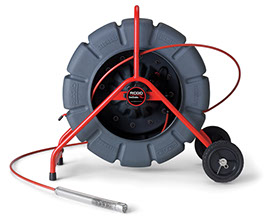
My Denver Plumber provides honest, professional plumbing services with up-front pricing in Denver. Using our state-of-the-art sewer scoping machine, we can quickly diagnose and fix your plumbing problems.
Addressing Water Leaks Promptly
Water leaks can be caused by various factors, including aging pipes, foundation shifts, and invisible damage. Over time, pipes can become old and rusty, leading to deterioration. Movement in the house’s foundation and frames can loosen plumbing joints, causing leaks. Additionally, the underlying causes of leaks are often hidden, making them hard to detect without professional help.
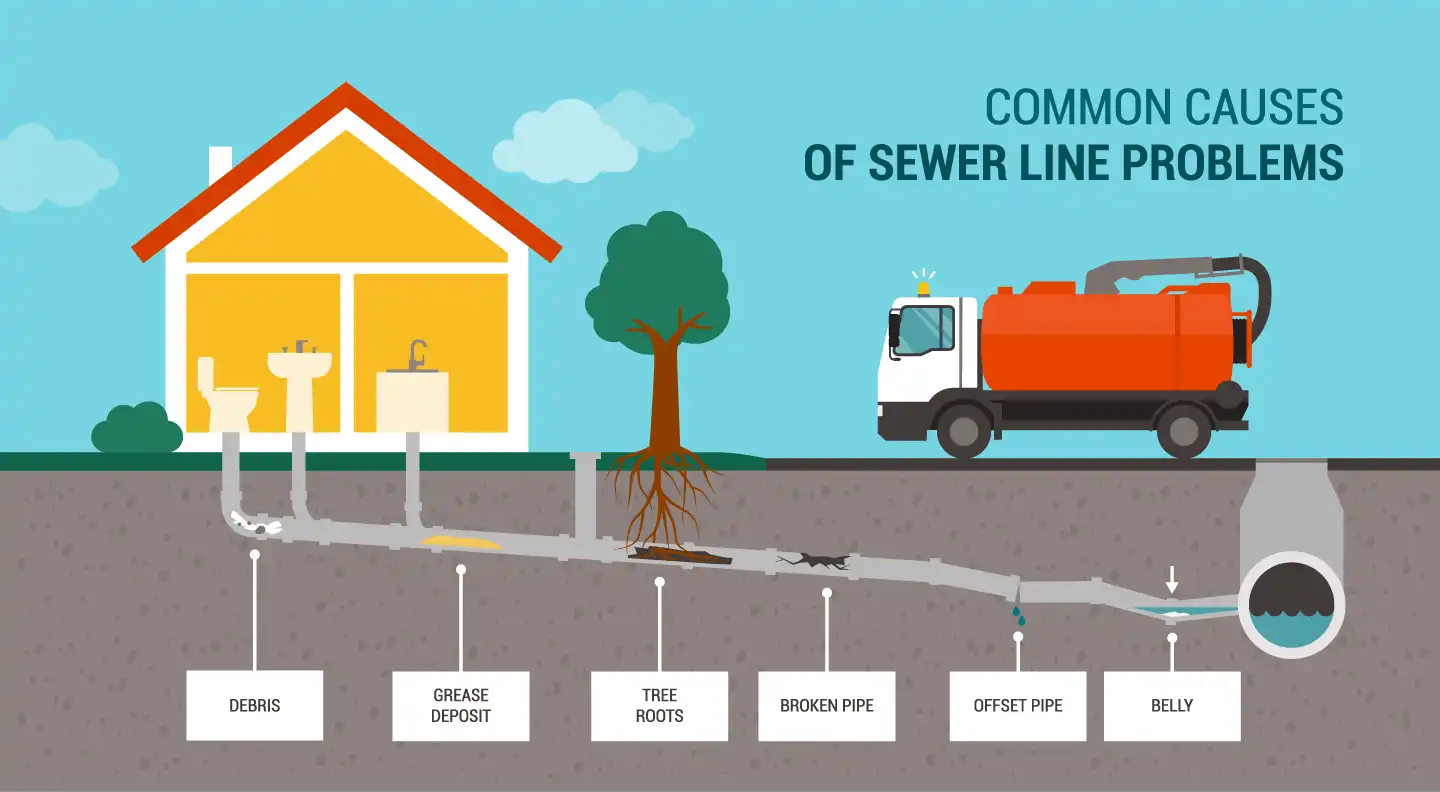
Common Causes of Sewer Line Problems Found During Sewer Inspections – Update
Debris Causing Sewer Blockage
Debris in your sewer line, such as “flushable wipes” and feminine products, can cause significant problems like clogs and cracks. Despite being labeled as flushable, these items do not break down as easily as toilet paper, leading to blockages that restrict water flow. Over time, the buildup of such debris can create pressure within the pipes, causing them to crack or even burst. This not only disrupts your plumbing system but can also result in costly repairs and potential water damage to your property.
Grease Deposits Leading to Sewer Backups
Pouring grease down your drains is a bad idea because it can solidify and accumulate inside the pipes, leading to backups and clogs. As grease cools, it hardens, sticking to the walls of your plumbing and trapping other debris. This buildup restricts water flow, increasing pressure within the pipes and potentially causing them to narrow or completely block water flow. Over time, these obstructions can lead to severe blockages that disrupt your plumbing system, potentially resulting in flooding and costly repairs.
Tree Roots in Sewer Lines
Tree roots are a common issue for homeowners in Denver, where our beautiful landscape is adorned with majestic, giant trees. While these trees enhance our environment, they can pose a problem by seeking out water sources, including your sewer lines. Over time, tree roots can penetrate and breach sewer lines, disrupting the flow of water and waste.
Broken Sewer Pipes and Shower Line Leaks
As homes age, so does their plumbing. Old and worn pipes can break due to shifting soil, erosion, and other factors. Initially, these issues may be difficult to detect, but once a plumbing problem arises, broken sewer pipes can become a major concern. My Denver Plumber can quickly locate and address these issues.
Offset Pipes Disrupting Sewer Flows
Offset pipes can create significant problems for your sewer line. These offsets occur when the ground shifts or moves over time, causing both horizontal and vertical displacement of the sewer pipes. Even a shift of just four inches can offset your sewer pipes, disrupting the proper flow and function of the system.
Belly in Sewer LinE Causing Standing Water
Similar to offset pipes, belly is also caused by erosion. As erosion alters the terrain, the ground may either rise or sink, resulting in significant issues for your sewer pipe. Pooling is just one of several common symptoms associated with belly.